The Ultimate Guide to Brick and Tile Texture Seamless Patterns for Designers
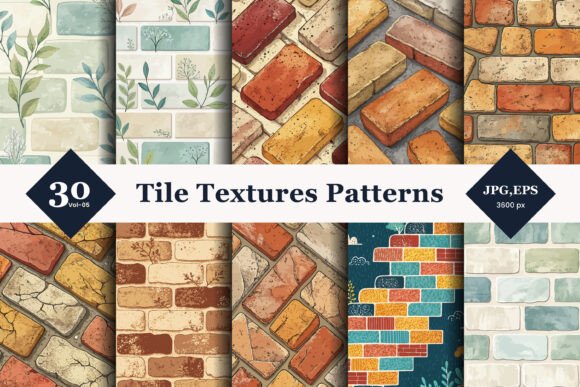
In the world of digital design, architecture, and interior styling, the foundation of a compelling visual is often texture. It is the element that transforms a flat, lifeless image into something tangible, realistic, and immersive. Among the most enduring and versatile textures available to designers are brick and tile patterns. These materials have stood the test of time, offering a blend of rustic charm, industrial edge, and modern elegance. Today, we explore the significance of Brick Tile Texture Seamless Patterns 1, an exquisite collection designed to bring authenticity to your creative projects.
Whether you are a seasoned graphic designer looking to enhance a brand identity, an architect visualizing a building facade, or a hobbyist creating digital art, understanding how to utilize high-quality seamless textures is crucial. This guide will walk you through what these patterns are, why they matter, and how the specific features of this collection—ranging from 300 DPI JPGs to vector EPS files—can elevate your work.
Understanding Seamless Patterns in Digital Design
To appreciate the value of these textures, it is important to first understand the concept of a "seamless pattern." In simple terms, a seamless pattern is a design element that can be repeated horizontally and vertically without any visible breaks or edges. When tiled correctly, the end of one instance of the pattern connects perfectly with the beginning of the next, creating an infinite surface.
This technique is fundamental in computer graphics and web design. Imagine trying to create a background for a website using a single image of a brick wall. If you stretch that image to fill the screen, the bricks would look distorted and unnatural. However, if you use a seamless pattern, the software can replicate the small, detailed section of the brickwork infinitely. The result is a vast, uniform surface that looks like a real, continuous wall, regardless of the size of the canvas.
Why is this important? Seamless patterns allow designers to save file space while maintaining high visual fidelity. Instead of loading a massive, high-resolution image of an entire room, designers can load a small, optimized pattern file that repeats. This improves website load times and ensures consistency across different devices.
The Aesthetic Power of Brick and Tile Textures
Brick and tile are not just construction materials; they are powerful aesthetic tools. They carry history, context, and emotional weight. Incorporating these textures into your designs can instantly communicate a specific vibe or atmosphere.
The Warmth of Brick
Brick textures are synonymous with warmth, stability, and heritage. From exposed brick walls in trendy lofts to historic red-brick university buildings, this material evokes a sense of permanence and comfort. In digital design, adding a subtle brick texture behind text can make a design feel grounded and trustworthy. It works exceptionally well for brands in the hospitality, craft beer, artisanal food, and vintage fashion industries.
The Precision of Tile
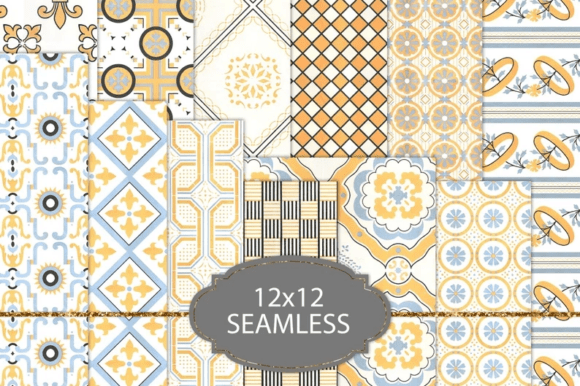
On the other hand, tile textures offer geometric precision and cleanliness. Whether it’s the classic subway tiles of a modern kitchen, the intricate mosaics of a Spanish plaza, or the sleek ceramic tiles of a bathroom, these patterns suggest hygiene, order, and modernity. Tile patterns are ideal for healthcare, technology, and contemporary home decor designs.
Introducing Brick Tile Texture Seamless Patterns 1
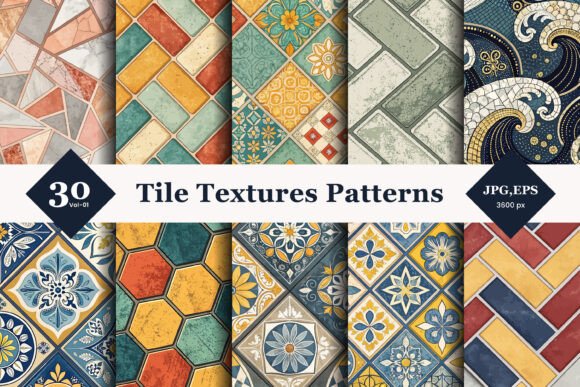
This brings us to the core of our discussion: the Brick Tile Texture Seamless Patterns 1 collection. This curated set is not just a random assortment of images; it is a professionally crafted library designed with precision to offer a realistic and detailed appearance. The collection has been developed to meet the rigorous demands of professional design workflows, ensuring that every pixel serves a purpose.
The collection boasts 30 unique patterns. This variety is significant because it allows designers to mix and match styles. You might find a rough, weathered red brick for a rugged outdoor campaign, contrasted with a smooth, white ceramic tile for a minimalist wellness app interface. Having such a diverse range within a single package provides immense creative flexibility.
Technical Specifications: Why Format Matters
One of the standout features of this collection is its dual-format availability: High-resolution JPG files and EPS vector files. Understanding the difference between these formats and knowing when to use each is key to maximizing their utility.
JPG Files at 300 DPI
The JPG files in this collection are provided at 300 DPI (Dots Per Inch). For those unfamiliar, DPI is a measure of resolution. A standard screen display operates at around 72 to 96 DPI, but print materials require much higher resolution to appear sharp to the human eye. 300 DPI is the industry standard for high-quality printing.
- Use Case: Perfect for print brochures, business cards, packaging, posters, and magazines.
- Benefit: At 300 DPI, the fine details of the mortar lines, the slight variations in brick color, and the grout textures remain crisp and clear even when printed on large formats.
EPS Vector Files
The inclusion of EPS (Encapsulated PostScript) vector files sets this collection apart from many others. Unlike JPGs, which are made of pixels, vector files are made of mathematical equations. This means they can be scaled to any size—from the width of a smartphone screen to the side of a skyscraper—without losing any quality or becoming pixelated.
- Use Case: Ideal for large-scale architectural renderings, billboards, vehicle wraps, and situations where the design needs to be resized frequently.
- Benefit: Designers of all skill levels benefit from this versatility. You can edit the colors, adjust the scale, or integrate the pattern into complex vector illustrations without worrying about resolution limits.
Practical Applications Across Industries
The versatility of these seamless patterns makes them suitable for a wide range of creative projects. Let’s look at how different professionals can leverage this collection.
Web and UI/UX Design
Modern web design often uses subtle textures to add depth to flat interfaces. By applying a low-opacity brick or tile pattern as a background layer, designers can create a tactile feel that encourages user engagement. Because the patterns are seamless, they can be used as repeating backgrounds in CSS code, ensuring the site loads quickly and looks consistent on mobile devices.
Interior Design and Architecture
Architects and interior designers rely on photorealistic textures to present concepts to clients. Using these high-fidelity patterns in 3D modeling software (like Blender, SketchUp, or Revit) can dramatically speed up the rendering process. Instead of manually modeling every brick, designers can apply the seamless texture map to a 3D surface, achieving a realistic look in minutes.
Crafting and DIY Projects
For crafters and DIY enthusiasts, these patterns are invaluable. Whether you are designing custom wrapping paper, scrapbooking layouts, or printable wall decals, having access to instant-download, high-quality textures saves hours of photography or scanning. The instant download feature ensures that you can start your project immediately, without waiting for shipping or dealing with complicated licensing hurdles.
Debunking Common Misconceptions
There are a few common assumptions about using stock textures that we should clarify to help you get the best results.
Misconception 1: "Stock textures look fake."
This was true years ago, but not anymore. Collections like Brick Tile Texture Seamless Patterns 1 are crafted with precision to mimic natural imperfections. Real bricks vary in color, size, and wear. High-end texture packs capture these nuances, making it difficult for the average viewer to distinguish between a photo and a digital texture.
Misconception 2: "I need to be an expert to use vectors."
While EPS files are technically advanced, their primary benefit is ease of use regarding resizing. You don’t need to be a coding expert to use them. Most major design software, including Adobe Illustrator, Photoshop, and CorelDRAW, support EPS files natively. Once imported, they behave like any other image, just with the added superpower of infinite scalability.
Conclusion: Elevate Your Creativity
In an era where visual content is king, the difference between good design and great design often lies in the details. Texture adds that layer of realism and sophistication that captures attention and builds trust. The Brick Tile Texture Seamless Patterns 1 collection offers a robust, versatile, and high-quality solution for designers who demand excellence.
With 30 unique patterns, 300 DPI JPGs for print-perfect clarity, and EPS vectors for unlimited resizing, this toolkit covers all bases. Whether you are working on a quick social media graphic or a large-scale architectural visualization, these patterns provide the authentic touch your project needs. Embrace the power of seamless textures and transform your digital and print work with precision-crafted realism.