The Art of Modern Tradition: Why Seamless Mondrian Plaid Patterns Are Revolutionizing Digital Design
There is a distinct tension in design between the organic chaos of nature and the rigid order of geometry. For decades, plaid has lived firmly in the realm of the rustic, the lumberjack, and the heritage aesthetic. It speaks of flannel shirts, cozy cabins, and timeless tartans passed down through generations. However, when you strip away the texture of wool and replace it with the sharp, clean lines of digital art, something fascinating happens. The result is a hybrid style that feels both nostalgic and radically modern: the Seamless Mondrian Plaid Pattern.
This specific intersection of traditional tartan structures with the color theory of Piet Mondrian creates a visual language that is versatile enough for high-end fashion but accessible enough for home decor projects. Whether you are a graphic designer looking for background textures or a crafter seeking unique printable papers, understanding the nuance of these designs is crucial. Let’s explore what makes this set of four unique designs so compelling and how they fit into your creative workflow.
Deconstructing the Aesthetic: Where Tartan Meets Geometry
To appreciate these patterns, we first need to look at their components. A traditional plaid, or tartan, is defined by its crisscrossing horizontal and vertical bands in multiple colors. Historically, these were woven, meaning there was an inherent irregularity in the threads. In contrast, the Mondrian influence introduces a strict adherence to primary colors—red, blue, yellow—and non-colors like black, white, and gray, arranged in rectangular grids.
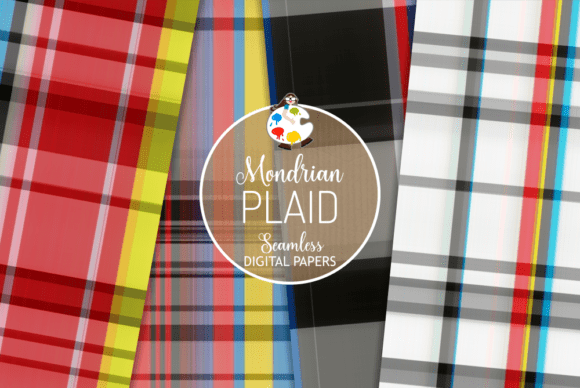
The designs in this collection bridge that gap. They retain the structural integrity of a classic lumberjack or school uniform tartan but execute it with the precision of geometric abstraction. The result is a pattern that reads as "plaid" at a glance but offers the clean, graphic pop of mid-century modern art upon closer inspection. This duality is exactly why these images are described as MONDRIAN PLAID – SEAMLESS DIGITAL PAPERS. They function as textile representations while serving as surface design elements that are purely digital in origin.
The Power of Color Composition
The palette used in these four unique designs is deliberate. By sticking to shades of red, white, blue, yellow, and black, the patterns avoid the muddy tones that can sometimes plague complex plaids. Instead, they offer high contrast and clarity. This is particularly important for digital applications where screen resolution matters. The bold blocks of color ensure that the pattern remains legible whether viewed on a smartphone screen or printed large format on a tote bag.
Consider the psychological impact of these colors. Red brings energy and attention; blue offers stability and calm; yellow adds optimism and visibility. When combined in a geometric grid, they create a rhythm that is engaging without being overwhelming. This makes them ideal for backgrounds where text might be overlaid, or for accents that need to stand out against neutral surroundings.
Technical Specifications: What You Actually Get
In the world of digital assets, specifications matter just as much as aesthetics. When purchasing or utilizing a pack of seamless digital papers, you need to know exactly what tools you have at your disposal. This set provides a robust foundation for professional work.
- Format: You receive 4 distinct JPG files. While PNG is often preferred for transparency, JPG is universally compatible and offers excellent compression quality for solid color blocks.
- Resolution: At 300dpi (dots per inch), these images are print-ready. This is the gold standard for physical production, ensuring that your designs do not pixelate when scaled up.
- Dimensions: Each image is 3600 by 3600 pixels, which translates to 12 by 12 inches at 300dpi. This square format is incredibly versatile, fitting perfectly into scrapbooking layouts, social media posts, and web banners.
- Seamlessness: This is the most critical technical feature. A seamless pattern means the edges match perfectly. If you tile the image horizontally or vertically, there will be no visible seams or breaks. This allows for infinite repetition, making these patterns suitable for wrapping paper, fabric printing, and full-page website backgrounds.
Understanding these specs helps clarify why these aren't just "pictures." They are functional assets designed to be tiled, repeated, and integrated into larger compositions without requiring extensive editing or masking.
Practical Applications in Modern Workflows
So, how do you use Seamless Mondrian Plaid Patterns in real-world scenarios? The versatility of these designs allows them to cross several industries and hobbies.
Textile and Fashion Design
Fashion is currently experiencing a resurgence of geometric prints mixed with traditional motifs. Designers are moving away from overly ornate florals and towards structured, graphic patterns. These Mondrian-inspired plaids are perfect for creating digital mockups for scarves, shirts, or upholstery fabrics. Because the pattern is seamless, you can easily visualize how the fabric would drape and repeat on a garment. The lumberjack vibe is softened by the geometric precision, making it appealing to a broader, more contemporary audience.
Digital Scrapbooking and Print-on-Demand
For crafters and Etsy sellers, having access to high-quality, unique digital papers is essential. The 12x12 inch size is the industry standard for digital scrapbooking pages. These four designs provide variety within a cohesive theme, allowing users to mix and match colors to suit different project moods. Furthermore, because they are print-ready at 300dpi, they can be used directly for print-on-demand products like phone cases, notebooks, and greeting cards. The geometric nature ensures that even small details remain crisp when printed on various materials.
Web and Graphic Design
In UI/UX design, background textures can make or break a user experience. A busy pattern can distract from content, but a well-structured geometric pattern can add depth and interest without clutter. The clean lines of the Mondrian style work exceptionally well as subtle backdrops for portfolios, blogs, or e-commerce sites. The high contrast of the black and white elements against the colored blocks ensures readability if you overlay text or icons.
Choosing the Right Design for Your Project
With four unique designs in the set, selection becomes a strategic decision rather than a random choice. Here are a few factors to consider when deciding which pattern fits your needs:
- Intensity of Color: Some designs may lean heavier on red or blue. If you are designing for a brand with specific corporate colors, choose the pattern that complements those hues best. For example, a tech startup might prefer the cooler blues and blacks, while a holiday-themed project might opt for the dominant reds and yellows.
- Scale and Density: While all images are the same pixel dimensions, the distribution of the grid lines varies. Some patterns may feel more "open" with larger blocks of color, while others are denser with thinner intersecting lines. Consider the medium you are working in. Dense patterns can become muddy when printed very small, whereas open patterns might lose their impact if stretched too large.
- Vibe and Tone: Do you want the pattern to feel rugged and masculine (leaning into the lumberjack/tartan aspect) or sleek and artistic (leaning into the Mondrian/geometric aspect)? The balance of line thickness and color saturation in each of the four designs will tip the scale one way or the other.
Best Practices for Using Seamless Patterns
Even with high-quality assets, proper usage is key to achieving professional results. When integrating these Seamless Mondrian Plaid Patterns into your projects, keep the following tips in mind:
Layering is Key: Don’t let the pattern dominate every element. Use it as a background layer and place solid-colored elements on top. This creates hierarchy and guides the viewer’s eye. If you must use the pattern prominently, ensure there is sufficient contrast between the pattern colors and any foreground objects.
Check Your Tiling: Although the images are seamless, always preview your design at the intended final size. Sometimes, slight variations in screen rendering can make a seam visible. Zoom out to check the overall flow of the pattern across the entire canvas.
Color Harmony: Since the patterns already contain a strong palette, be careful when adding additional colors. Stick to neutrals (white, black, gray, beige) for accompanying elements to let the Mondrian plaid shine. Adding too many competing colors can result in visual noise.
Conclusion
The fusion of traditional tartan structures with modern geometric minimalism represents a significant trend in digital design. Seamless Mondrian Plaid Patterns offer more than just a pretty picture; they provide a functional, versatile, and aesthetically pleasing tool for creators across various disciplines. From the tactile feel of flannel to the crisp precision of digital art, these four designs capture a unique moment in visual culture.
Whether you are designing a new clothing line, creating digital scrapbook pages, or building a website, these 300dpi, seamless JPGs offer the quality and flexibility needed to elevate your work. By understanding the interplay of color, geometry, and tradition, you can harness the power of these patterns to create designs that are both timeless and distinctly contemporary.