Reviving the Roaring Twenties: Why Art Deco Style Seamless Patterns 01 Are Essential for Modern Design
There is a specific kind of energy that comes from the visual language of the 1920s. It is bold, unapologetic, and undeniably luxurious. In an era where digital design often leans toward minimalism or flat aesthetics, there is a growing appetite for ornamentation that feels both historic and contemporary. This is where Art Deco Style Seamless Patterns 01 steps in as a transformative resource for designers, marketers, and creatives looking to inject a sense of timeless glamour into their work.
The Art Deco movement was never just about decoration; it was a reflection of industrial progress, geometric precision, and a new wave of modernity. Today, those same principles translate seamlessly into digital assets. Whether you are designing a high-end wedding invitation, rebranding a luxury fashion label, or creating textures for interior design software, this collection offers the structural integrity and aesthetic appeal needed to elevate any project.
The Anatomy of Vintage Glamour
To understand why these patterns work so well in modern contexts, we have to look at what makes them distinct. Art Deco is characterized by its emphasis on symmetry, sharp angles, and repetitive motifs. Unlike the flowing, organic curves of the preceding Art Nouveau style, Art Deco embraces the machine age. It is clean, structured, and visually striking.
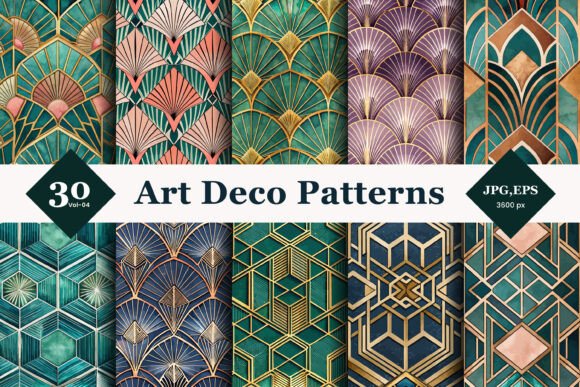
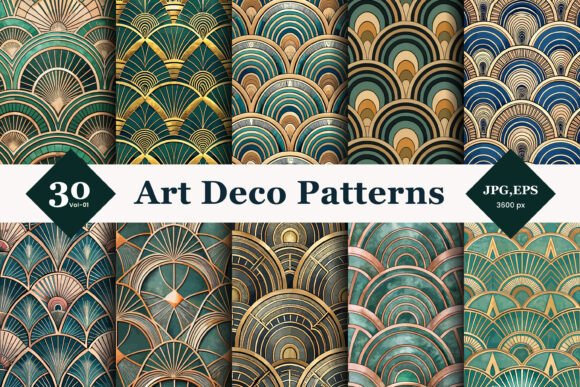
Art Deco Style Seamless Patterns 01 captures this essence perfectly. The collection features bold lines that guide the eye across the canvas, creating a rhythm that is both hypnotic and sophisticated. Intricate symmetry ensures that no matter how the pattern is tiled or scaled, the visual balance remains intact. This is crucial for seamless tiling, where the edges must meet invisibly to create an infinite background.
The motifs themselves often draw from nature but stylize it through a geometric lens. Think of sunbursts, zigzags, chevrons, and fan shapes. These elements evoke the opulence of the Jazz Age without feeling cluttered. When applied correctly, they bring a touch of vintage glamour that feels curated rather than costume-like. This distinction is vital for brands aiming to project elegance and authority.
Technical Versatility for Multi-Platform Projects
In today’s multi-channel marketing environment, a design asset cannot live in just one format. A graphic designer might need a high-resolution raster image for print, but also a scalable vector for web use. This is where the technical specifications of this collection become a major selling point.
Each pattern in Art Deco Style Seamless Patterns 01 is provided in two critical formats:
- High-Resolution JPG Files (300 DPI): These are ready for immediate use in print workflows. At 300 DPI, the resolution is sufficient for large-format printing, including wallpapers, fabric swatches, and promotional banners, ensuring that every line and curve remains crisp and clear.
- EPS Vector Files: For digital applications, scalability is key. EPS files allow you to resize the patterns to any dimension—from a tiny favicon to a massive billboard—without losing quality. This is essential for responsive web design, where layouts shift between mobile and desktop views.
This dual-format approach saves significant time in the production pipeline. Designers no longer need to trace over raster images or worry about pixelation when scaling up. The instant download feature further streamlines this process, allowing teams to access the assets immediately and begin integrating them into their projects without administrative delays.
Applications Across Industries
The versatility of these seamless patterns means they can be adapted to a wide variety of industries. Here is how different professionals can leverage Art Deco Style Seamless Patterns 01 in their daily workflows:
Interior Design and Home Decor
Wallpaper is perhaps the most obvious application. An interior designer can use these patterns to create accent walls that serve as focal points in living rooms, lobbies, or boutique hotels. The geometric nature of the designs adds depth to a room without overwhelming the space. Additionally, these patterns can be printed onto textiles for upholstery, curtains, or throw pillows, bringing a cohesive theme to a furniture collection.
Fashion and Textile Design
Fashion houses often revisit the 1920s for inspiration, particularly in evening wear and accessories. Seamlessly tiling these patterns onto fabric renders allows designers to visualize how a print will look when repeated on a garment. From silk scarves to structured blazers, the bold lines of Art Deco translate beautifully into textile prints, offering a nod to history with a modern fit.
Branding and Packaging
For brands in the beauty, jewelry, or spirits sectors, packaging is a primary touchpoint. A box wrapped in an Art Deco seamless pattern instantly communicates premium quality. The intricate symmetry suggests craftsmanship and attention to detail, which are values consumers associate with luxury goods. Using these patterns for labels, tags, or outer packaging can significantly enhance shelf appeal.
Event Design and Stationery
Weddings, galas, and corporate events often require stationery suites that set the tone before the event even begins. Invitations, programs, and place cards featuring Art Deco Style Seamless Patterns 01 convey a sense of occasion and formality. The gold-toned palettes often associated with these designs complement metallic foils and embossing techniques, adding tactile luxury to paper goods.
Considerations for Implementation
While the aesthetic appeal is undeniable, successful implementation requires thoughtful consideration. Designers should be mindful of color contrast and background interaction. Because Art Deco patterns are often dense with geometric details, they work best when paired with solid colors or subtle typography. Overcrowding the design with too many competing elements can dilute the impact of the pattern.
Another factor is the psychological association of the style. Art Deco evokes feelings of stability, wealth, and sophistication. If your brand identity leans toward eco-friendliness or rustic simplicity, this style might feel out of place. However, if you are aiming to communicate reliability, heritage, or exclusivity, these patterns align perfectly with those messages.
When using the EPS files, pay attention to the layer structure. Many Art Deco designs consist of multiple overlapping shapes. Breaking down these layers allows for greater customization, such as changing the color palette to match specific brand guidelines while retaining the original geometric integrity. This flexibility ensures that the patterns remain relevant even as trends evolve.
Why Choose This Collection?
With thousands of patterns available online, why select Art Deco Style Seamless Patterns 01? The answer lies in the curation and quality control. Each of the 30 unique patterns has been meticulously crafted to ensure professional-grade execution. There are no awkward seams, distorted proportions, or low-resolution artifacts. The consistency across the collection allows designers to mix and match patterns confidently, knowing that they share a common visual DNA.
Furthermore, the focus on "seamless" functionality is not an afterthought but a core feature. Many free or low-quality patterns fail when tiled, requiring manual editing to hide the joins. This collection eliminates that friction, providing assets that are plug-and-play. For agencies working under tight deadlines, this efficiency is invaluable.
In conclusion, the resurgence of decorative arts in digital design presents a unique opportunity to stand out. By incorporating the bold lines, intricate symmetry, and luxurious motifs of the 1920s, designers can create work that resonates on a deeper emotional level. Art Deco Style Seamless Patterns 01 offers more than just pretty pictures; it provides a toolkit for building narratives of elegance and precision. Whether you are crafting a bespoke invitation or a global brand campaign, these patterns offer the perfect blend of historical charm and modern utility.