Dots and Lines Digital Paper Patterns: A Strategic Tool for Creative and Business Goals
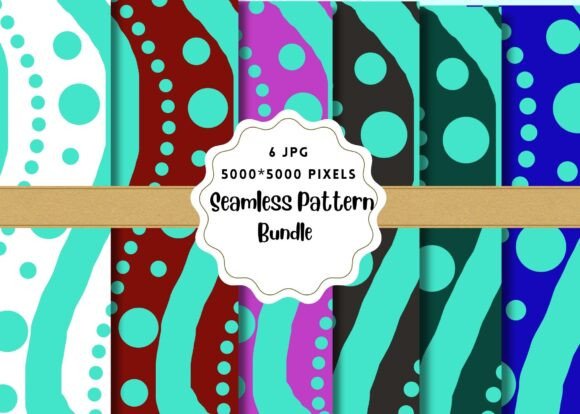
For creators, entrepreneurs, and professionals who rely on visual design to communicate ideas or sell products, the right patterns can elevate a project from ordinary to extraordinary. Dots and Lines Digital Paper Patterns offer a versatile solution that combines aesthetic appeal with strategic functionality. These high-resolution JPG files—each measuring 3500x3500 pixels at 300 DPI—are not just decorative; they are tools that can be intentionally integrated into your workflow to support branding, productivity, creativity, and customer experience.
What Are Dots and Lines Digital Paper Patterns?
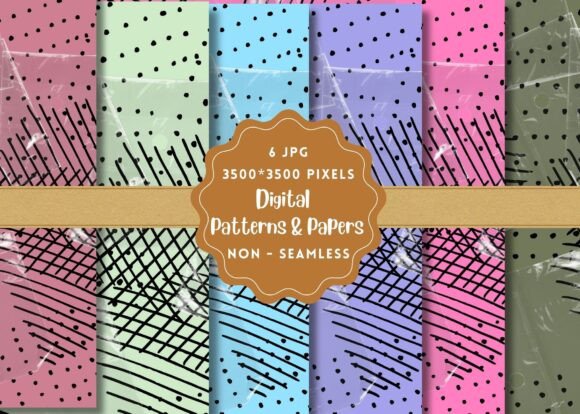
Dots and Lines Digital Paper Patterns are downloadable digital designs composed of minimalist geometric elements—dots and lines arranged in visually pleasing and repeatable formats. Each pattern is optimized for both digital and physical applications, making them ideal for use in print-on-demand services, stationery, wall art, greeting cards, and more. The high resolution ensures crisp printing, while the clean style allows for seamless integration into various design projects without overwhelming the content or brand message.
The collection includes six distinct JPG patterns, providing enough variety to suit different styles and purposes. Unlike generic clipart or busy designs, these patterns are crafted to be subtle yet impactful, offering a modern, professional look that aligns well with minimalistic and contemporary aesthetics.
Strategic Use in Branding and Design Projects
When used thoughtfully, Dots and Lines Digital Paper Patterns can become an extension of your brand identity. Whether you're designing packaging for a new product line, creating branded notebooks for clients, or developing templates for a print-on-demand platform, these patterns help establish a cohesive visual language.
- Branding Consistency: Incorporate the same pattern across business cards, social media templates, and product labels to reinforce brand recognition.
- Minimalist Appeal: The simplicity of dots and lines makes them perfect for brands aiming for a sleek, modern image.
- Design Flexibility: These patterns work as overlays, backgrounds, or accents, allowing for creative experimentation without compromising clarity.
Supporting Productivity and Planning
Designers often juggle multiple projects, each with unique requirements. Having access to pre-made, high-quality patterns like those in the Dots and Lines collection can streamline workflows and reduce time spent on repetitive tasks. Instead of starting from scratch, you can focus on customization and application, ensuring faster turnaround times and better resource allocation.
For example, educators creating classroom materials might use these patterns as background textures for worksheets or presentation slides. Bloggers and publishers could integrate them into magazine layouts or blog headers to maintain a consistent theme. Freelancers and small business owners benefit from having ready-to-use assets that enhance their deliverables without requiring significant investment in graphic design software or expertise.
Practical Application Tips
- Define Your Purpose First: Before selecting a pattern, clarify what it will be used for—print vs. digital, background vs. foreground—and how it aligns with your overall design strategy.
- Layer Wisely: Use patterns as a base layer to avoid competing with text or images. Adjust opacity if needed to maintain readability and balance.
- Mix and Match: Combine two or more patterns subtly within the same project to create depth and interest without losing cohesion.
- Test Print Quality: Always verify how the pattern looks when printed, especially if it's intended for physical items like posters or gift wrapping paper.
Enhancing Creativity and Customer Experience
Creativity thrives when designers have reliable tools at their disposal. Dots and Lines Digital Paper Patterns provide a foundation upon which you can build more complex designs. They allow for experimentation with spacing, alignment, and repetition—key principles in effective visual communication.
From a customer experience standpoint, using these patterns in product design can influence perception. A tote bag with a subtle dot pattern may appear more refined than one with no design at all, while a greeting card featuring elegant lines can evoke a sense of sophistication and attention to detail. These small but intentional choices contribute to a memorable and positive brand interaction.
Use Cases Across Industries
These patterns are adaptable to a wide range of industries and purposes. Here are a few realistic examples:
- Stationery Design: Use a line pattern as the base for a planner or notebook cover, giving it a professional and polished appearance.
- Wall Art and Décor: Create custom prints for home or office spaces by applying a dot pattern to abstract shapes or photography.
- Marketing Materials: Add texture to brochures, flyers, or email newsletters to guide the eye and break up dense blocks of text.
- Print on Demand: Apply the patterns to t-shirts, mugs, or phone cases for a modern look that appeals to diverse audiences.
- Gift Wrapping and Packaging: Enhance unboxing experiences by incorporating patterns into custom boxes or wrapping paper.
Decision-Making Guidance for Intentional Use
Patterns should never be added simply because they exist—they must serve a purpose. When considering whether to use Dots and Lines Digital Paper Patterns, ask yourself:
- Does this pattern enhance the message or distract from it?
- Is it appropriate for the target audience and context?
- Will it add value to the final product or design?
- Can it be reused across other projects to maintain consistency?
By answering these questions upfront, you ensure that your use of the patterns is intentional and aligned with your broader goals. This approach not only improves the quality of your output but also builds trust with your audience through thoughtful, deliberate design choices.
How to Approach Pattern Integration
Here’s a structured way to incorporate these digital patterns into your work:
- Identify Key Touchpoints: Determine where in your workflow or product lineup patterns will make the most impact—such as in marketing collateral or branded merchandise.
- Align with Brand Guidelines: Choose a pattern that complements your existing color palette, typography, and style preferences.
- Consider Context: If the pattern is being used in a print-on-demand service, ensure it works across different colors and fabric types.
- Stay Versatile: Avoid overusing the same pattern in every element. Balance is key to maintaining visual interest and avoiding monotony.
Risks of Using Without Clear Objectives
While Dots and Lines Digital Paper Patterns are powerful tools, using them without a clear understanding of your goals can lead to suboptimal results. For instance, applying a pattern randomly to a poster might result in a cluttered layout that confuses the viewer rather than guiding them toward the intended message.
Another risk lies in inconsistency. If you use different patterns across your brand’s touchpoints without a cohesive strategy, it can dilute your brand identity. Customers may struggle to recognize your work, leading to weaker brand recall and reduced loyalty.
To mitigate these risks, always start with a plan. Define how each pattern will be used, where it fits into your design system, and what outcome you hope to achieve. This ensures that every application serves a purpose and contributes to your larger objectives.
Long-Term Value and Planning for Future Projects
One of the greatest advantages of using digital paper patterns is their reusability. Once incorporated into your design library, they can be applied to future campaigns, products, or content. This long-term flexibility supports efficient planning and reduces the need to source new design elements repeatedly.
Entrepreneurs and marketers, in particular, can leverage these patterns to develop a signature look that evolves with their brand. As your business grows and your audience expands, your design assets should reflect that journey. By choosing patterns that are timeless and adaptable, you future-proof your creative efforts.
Planning for Scalability
Think ahead about how these patterns can scale with your needs:
- Are they suitable for both low-volume personal projects and high-volume commercial uses?
- Can they be adapted for different sizes, such as social media thumbnails or large-format posters?
- Do they perform well in black-and-white or grayscale scenarios, or are they too dependent on color?
- Will they remain relevant as design trends shift, or do they carry a dated feel?
Answering these questions during the planning phase helps you choose the right patterns for sustainable growth and adaptability.
Real-World Examples of Effective Use
Let’s explore a few real-world applications to illustrate how Dots and Lines Digital Paper Patterns can be leveraged effectively:
Example 1: Branded Notebooks for Client Onboarding
A freelance designer creates a client onboarding package that includes a personalized notebook. Using a subtle line pattern as the background adds structure and professionalism to the design. It reinforces the idea of organization and clarity—key traits for building trust with new clients.
Example 2: Print-on-Demand Merchandise
An online boutique owner sells custom-designed mugs and tote bags. She uses the dot pattern as an accent on select items to differentiate them from competitors’ offerings. The pattern becomes part of her brand story, signaling attention to detail and modernity.
Example 3: Digital Backgrounds for Presentations
A corporate trainer develops a series of training modules. He applies a neutral dot pattern to his slide backgrounds, reducing visual fatigue during long presentations while keeping the design fresh and engaging. The pattern enhances the learning experience without drawing attention away from the content.
Why Choose High Resolution and Downloadable Formats?
The technical specifications of Dots and Lines Digital Paper Patterns—3500x3500 pixels at 300 DPI—make them highly suitable for professional-grade applications. Whether you’re printing a poster for a local event or designing a digital template for a client, the quality remains consistent and sharp.
Additionally, the downloadable format provides convenience and control. You can store the patterns locally, reuse them across projects, and apply them to a variety of file types without worrying about licensing restrictions or watermarks. This makes them particularly valuable for individuals and businesses working independently or with limited budgets.
Final Thoughts on Strategic Design Choices
In a world saturated with visual content, standing out requires intentionality. Dots and Lines Digital Paper Patterns offer a simple yet effective way to add personality and polish to your work. However, their true power lies in how you choose to use them—not just for decoration, but as part of a broader design and branding strategy.
Before downloading and implementing these patterns, take the time to understand your goals and how they fit into your creative process. Evaluate their role in your design ecosystem and consider how they can support long-term outcomes. When used strategically, they can become more than just background elements—they can shape perceptions, improve usability, and strengthen your brand’s presence in both digital and physical spaces.
Whether you're a marketer looking to refresh your campaign visuals or a hobbyist experimenting with scrapbooking, Dots and Lines Digital Paper Patterns offer a smart, scalable solution. With careful planning and a focus on outcomes, they can help you make better design decisions and achieve stronger, more meaningful results.